When you plan a trip, the first thing you weigh is the care your animal companion will receive while you’re away. At Prairieville Animal Hospital, boarding is not a padded cage and a bored stare. It’s a structured care routine designed to keep pets comfortable, monitored, and engaged. The goal is simple: minimize stress, maximize safety, and deliver reassurance for owners who cannot be in two places at once. In my years working with families who travel for work, holidays, or emergencies, I’ve seen boarding done well and boarding done poorly. The difference is rarely about fancy equipment and usually comes down to a few practical choices, clear communication, and a staff that treats every guest as an individual.
This guide is written from that perspective—what it feels like behind the scenes, how to prepare, and what you can expect when you drop your animal off at Prairieville Animal Hospital’s boarding facility. It’s practical, grounded in day-to-day routines, and aimed at helping you plan with confidence rather than hope for luck.
Choosing the right boarding experience matters. A good facility doesn’t just house pets; it supervises them with medical awareness, social sensitivity, and a mindful approach to daily rhythms. You’ll notice the difference in the routine, in the way staff respond to questions, and in the level of detail they capture about your pet’s likes, dislikes, and needs. Boarding at Prairieville Animal Hospital is integrated with the clinic’s veterinary care, which means behavior, nutrition, and medical oversight align with the broader philosophy of preventive care that guides the hospital’s everyday work.
Before you arrive, a little planning goes a long way. The more you share in advance, the smoother the process when drop-off time comes. A well-prepared pet is a happier guest. Your goal is to translate a home routine into a supervised, safe, and enriching day one environment.
What makes boarding at Prairieville Animal Hospital distinctive
First, you will sense the continuity between the clinic and the boarding area. The staff who greet you at the front desk often arrive with a background in veterinary technology, animal behavior, or trained animal care. That blend matters because it means the people who will be monitoring your pet’s health and mood have context for why a pet is behaving a certain way. If a dog normally thrives on a daily walk but starts to pace in a new environment, the team knows to check temperature, appetite, and social cues rather than assuming a temporary mood. If a cat has lived as an indoor only pet and suddenly shows stress, the team has strategies for easing that transition without forcing a confrontation.
Another distinguishing factor is the emphasis on individualized care plans. Each guest receives a profile that includes basic information—age, breed, weight, dietary restrictions—along with notes about temperament, favorite toys, comfort items, and any medical needs. The boarding team uses this profile to tailor daily routines. If a dog has anxiety around loud noises, the team may place that dog in a quieter area during peak play times and adjust the amount of human interaction to prevent overstimulation. If a senior cat has limited mobility, the feeding and litter routines reflect that reality, with attention to litter depth, height of resting surfaces, and frequency of checks.
The facility’s design supports a gentle transition from home to boarding. There are quiet spaces and more active zones, with separate areas for small and large dogs, a cat room that mimics a secure apartment with elevated perches and multiple hiding spots, and outdoor yards that provide supervised exploration on leash or in play groups. The goal is not to keep pets out of sight; it is to give them predictable boundaries while preserving a sense of control and safety. The staff uses a calm tone, soft voices, and consistent routines to help reduce stress. A confident, patient presence matters as much as any equipment, because a pet’s sense of routine translates into behavioral stability.
Nutrition and health sit at the center of boarding care. For many pets, boarding routines introduce new foods or feeding times. Prairieville Animal Hospital’s approach emphasizes continuity with home diets whenever possible, while balancing the need for balanced nutrition in a boarding setting. You might be asked to bring your pet’s regular food, measured portions, and any supplements. If your pet has food allergies, a detailed plan is created to avoid exposure and track reactions. The staff traces each meal with the same care you would at home: what, how much, and when. If a pet requires medications, the process is meticulous—two staff members verify the dose, time, and pet identity before administering. Medication records are updated in real time, and the pet’s chart reflects any changes in mood, appetite, or energy levels.
For owners with behavioral considerations, the boarding team has practical strategies to maintain positive routines. Gentle socialization, supervised play, and structured rest periods help pets stay engaged without becoming overwhelmed. The team uses evidence-based methods to address common issues such as separation anxiety or overexcitement during greeting times. The hospital’s medical staff remains accessible, so if a pet experiences a health issue—vomiting, diarrhea, or changes in appetite—there is a straightforward path to evaluation and treatment within the same campus. This integration matters in the real world because it eliminates the gap between “board and care” and “clinic and treatment.”
A note on communication: expect a clear, proactive approach. The boarding desk will confirm arrival times, vaccination status where applicable, and any required documentation. You will typically receive periodic updates about your pet’s mood, activity level, and eating pattern. Some owners appreciate photos or short notes during longer trips, while others prefer a simple check-in if nothing unusual happens. The key is transparency: you want to know that your pet is doing well and that any concerns are addressed promptly.
What to consider before booking a stay
The decision to board a pet should be grounded in a clear view of your pet’s needs and your own peace of mind. Some pets adapt quickly to new surroundings; others require more gradual exposure or careful planning. Here are the essential questions you should ask before selecting Prairieville Animal Hospital for boarding.
1) What is the facility’s daily routine like? You want to understand feeding times, exercise windows, and quiet periods. A typical day might include two walks, multiple potty breaks, and a scheduled nap after lunch. For cats, expect a routine that prioritizes litter checks, gentle play sessions, and occasional quiet time in a secure room with a high perch for observation.
2) How is safety managed? Enclosures, fencing, and doors should feel secure without fostering a sense of confinement. Staff should be visible and actively monitoring guests. Ask about security cameras, staff-to-pet ratios, and emergency protocols. In a well run facility, a team member is always present in the boarding area and can step in quickly if a pet shows signs of stress or illness.
3) What about medical care? If your pet has ongoing needs—medication, chronic conditions, or special diets—the boarding team collaborates with the hospital’s veterinarians. Clarify who administers medications, how dosing is tracked, and what thresholds trigger a veterinary review during a stay. It’s reassuring to know any health concerns are part of the standard care, not an afterthought.
4) How is temperament support handled? Some pets thrive on social play, others need quiet time with familiar objects. The question to ask is how the facility builds a guest profile and how staff adapt activities to remain within a safe emotional range for each animal. Look for a policy that emphasizes enrichment rather than endless stimulation, especially for senior pets.
5) What happens if a pet becomes ill or anxious? A plan should be in place for mild illnesses, behavior challenges, or peak anxiety. The best clinics coordinate with your veterinarian and keep you informed with a calm explanation of options and expected timelines. You want a straightforward path to care if it’s needed, not a maze of call trees and unclear directions.
The intake experience matters just as much as what happens after you hand over the keys. The initial assessment is not a one-off form; it’s a conversation about what makes your pet feel safe. The more detail you provide, the more accurate the boarding plan becomes. Favorite toys aren’t just fluff; they can be anchors that calm an anxious dog or a curious cat when introduced in a controlled way. Food preferences and meal times aren’t minor notes either, because deviations can spark mood changes that ripple through an entire day.
A practical timeline for a typical stay
Most boarding stays unfold along a familiar arc, with moments that become touchstones for both pets and owners. Here is a realistic sketch of how a stay often progresses, based on routine patterns seen at Prairieville Animal Hospital.
- Arrival: The pet is checked in, weighed if requested, and assigned to a space that aligns with temperament and needs. A quick health check is performed to confirm there are no urgent issues and to review vaccination records if required by policy. Settling in: Staff members help the pet acclimate to the space. A familiar item from home, such as a blanket or a toy, is placed nearby to ease the transition. Some pets wander the room briefly before settling; others curl up in a corner with a preferred cushion or bed. Daily rhythm: A predictable schedule develops quickly. Expect morning walks, meal times, midday potty breaks, play sessions if the pet tolerates them, and a quiet period that allows rest. The schedule is not a rigid script; it is a framework that accommodates the pet’s energy, appetite, and mood. Health and monitoring: Veterinary staff check for changes in appetite, stool consistency, or energy level. Any concerns are documented in the chart and communicated to the owner through the agreed channel. If needed, a phone call or email will accompany a plan for adjustment or evaluation. Departure day: The box is opened for a farewell routine. In many cases, a quick recheck of vaccination status is performed, and a summary of the stay is prepared for the owner. The goal is a clean handoff, with a concise recap of any notable events or behavior patterns that emerged during the visit.
The human side of boarding: communication that reduces worry
One of the most valuable aspects of boarding at Prairieville Animal Hospital is not the cages or the daily routine, but the way staff communicate with owners. Clear, honest, and timely updates create trust long before you arrive for pick-up. If you’ve ever felt a moment of uncertainty about your pet’s welfare while away from home, you know the weight of a good update. It’s not just data; it’s reassurance.
Owners frequently tell stories about the moment a caregiver noticed subtle changes—a slightly slower gait, a flick of the tail that indicated mood shift, a change in appetite over two meals rather than one. These small observations accumulate into a thoughtful picture of a pet’s wellbeing during a stay. A well-run boarding operation treats every guest as if they were a member of the staff’s own family, which is the animal hospital near me most meaningful kind of service you can ask for.
If you are a careful planner, you will appreciate the intake questionnaire’s thoroughness. It invites you to describe your pet’s comfort triggers, fear responses, and endings that tend to signal fatigue or stress. The more detail you provide, the better the boarding plan becomes. Conversely, the boarding team will share how they adjust routines if a pet shows signs of stress. For example, a dog that tires easily from overexcitement may benefit from shorter play sessions interspersed with longer quiet periods. A cat that hides during the day might receive enrichment through scent cues, or a gentle, monitored window of social interaction with a calm, familiar person. The key is that adjustments are part of the plan, not afterthoughts.
Practical tips you can bring to your pet’s stay
- Documentation: Ensure up-to-date vaccination records are on file. Your veterinarian near me Prairieville Animal Hospital can advise on any required vaccines for boarding. Some pets benefit from a quick wellness check before arrival to flag any potential issues. Comfort items: If your pet has a favorite blanket, toy, or shirt with your scent, bring it along. Familiar smells help many animals settle in. The goal is to balance the comfort item with clean, safe spaces where items cannot inadvertently cause a problem in a shared environment. Feeding routine: Bring a measured amount of your pet’s usual food and specify any dietary restrictions. If you anticipate a longer stay, discuss whether to supplement meals with a small portion of a familiar snack to ease transitions. Medication management: If your pet takes medications, provide a labeled supply and clear dosing instructions. Anticipate potential delays around holidays or weekends and confirm the plan with the boarding staff. Emergency contact plan: Leave a trusted contact who can make decisions if you are unreachable. Include a preferred method of communication and when to escalate to the veterinarian on staff.
Two small but impactful service ideas that often help owners feel more secure
1) A weekly photo update: A brief snapshot or short video can capture a pet’s mood and energy in a way that words cannot. Seeing a dog's wagging tail or a cat perched in a sunny window often provides more reassurance than a checklist of activities.
2) A mid-stay wellness check: A quick call or note that confirms appetite, hydration, and behavior helps owners feel connected without being intrusive. These touches are not about micromanagement; they are about practice and accountability.
Edge cases and common scenarios
No two stays are identical because no two pets are identical. A boarding plan must accommodate edge cases without losing the core warmth of care. Some pets arrive as confident travelers, only to become subdued within the first 24 hours. Others come in shy and retreat into routines that resemble a home environment. In either case, the team at Prairieville Animal Hospital uses a patient, incremental approach. If a pet resists play, the staff shifts to short, gentle sessions focused on comfort items and soft interactions. If a pet shows interest in exploration, the team curates a controlled series of play times that respect boundaries and avoid overstimulation.
Senior pets require particular attention. Aging joints, sensory changes, and slower metabolisms alter what a boarding day looks like. For them, rest becomes as important as activity. A senior plan often means longer nap times, smaller but more frequent meals, and access to an environment that reduces stress, including quieter corners, lower stimulation, and predictable routines. It is not about extending the stay; it is about preserving quality of life during the stay.
Pet boarding and preventive pet care tie together
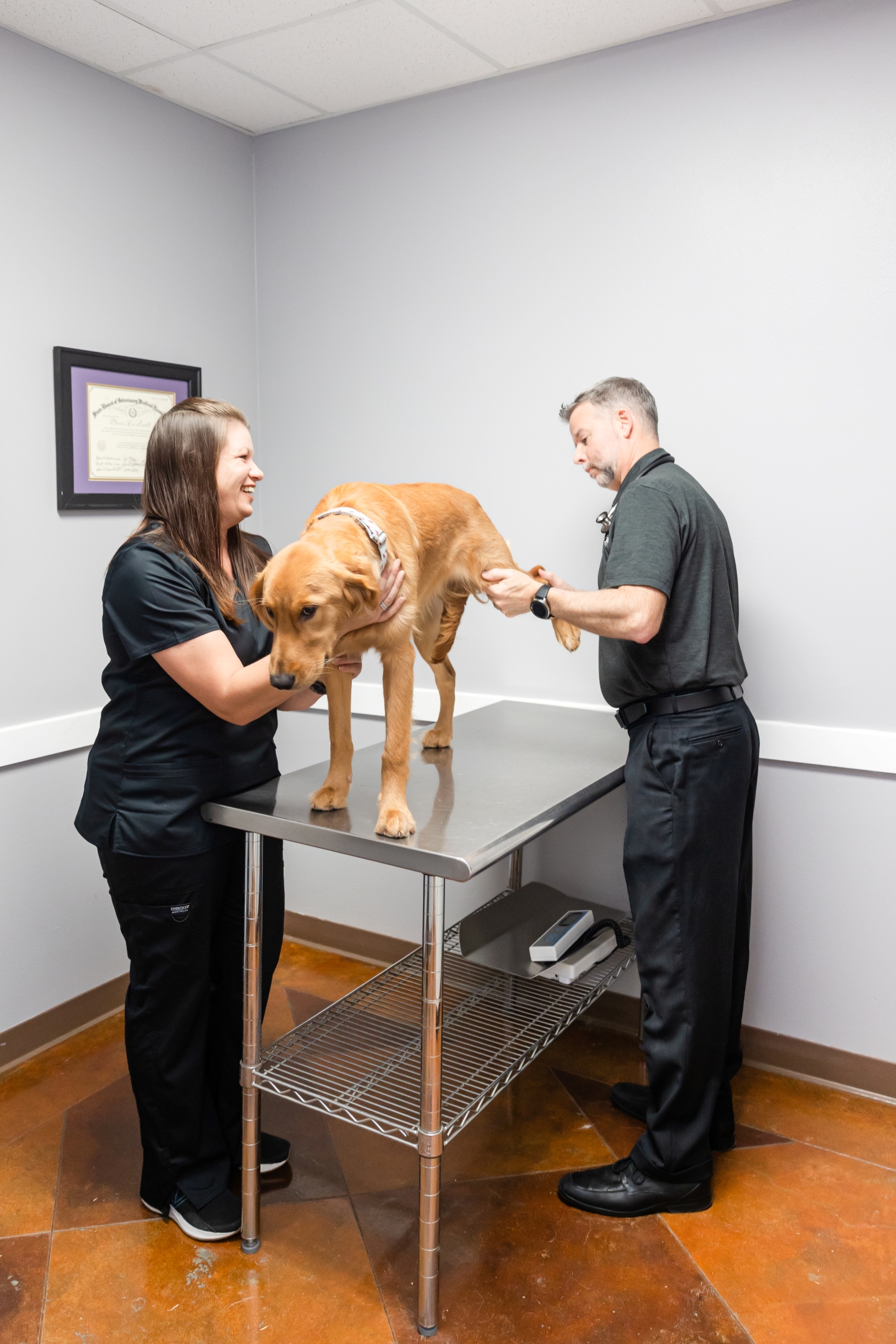
Boarding is not a stand-alone service. It sits within a broader ecosystem of preventive pet care, which Prairieville Animal Hospital emphasizes through vaccination guidelines, parasite prevention, dental health, and routine wellness checks. The boarding staff view days away from home through a preventive lens, looking for changes that could indicate a health issue. A mild stomach upset, a subtle shift in appetite, or a slight change in weight prompts a closer look that can be quickly escalated to the hospital’s veterinarians.
If you are someone who prioritizes preventive care for a pet age group or lifestyle, you will appreciate how easily the boarding staff can coordinate with the clinic. A simple note in your pet’s chart might indicate the need for a dental check after a long stay, or a reminder to reassess a chronic condition once the pet returns home. The integrated model is practical; it reduces the friction of care and creates an efficient, proactive approach to pet health.
What to expect when you pick up your pet
The moment you arrive to collect your guest is often the most telling. If a pet has thrived in boarding, you will typically see a bright-eyed, alert animal with a steady gait and a relaxed temperament. Some pets greet with a wag or a soft purr, and others come forward with a gentle curiosity. The staff will provide a concise summary of the stay and discuss any notable patterns in behavior, appetite, or energy. If you notice differences from home, ask for a quick debrief about how the pet responded to the environment, what interventions were helpful, and whether there is anything you should do to support a smoother transition back to home life.
After reuniting with your pet, you may choose to begin a brief reintroduction to your home environment. Pets often benefit from a slower, staged transition after a boarding experience. A few days of familiar routines, with attention to hydration, feeding times, and opportunities for gentle exercise, can help bridge any residual stress and reestablish the normal rhythm of daily life.
A note on choosing a boarding partner near you
If you are looking for a reliable animal clinic near me that also offers a robust boarding program, Prairieville Animal Hospital stands out for its integrated approach. The combination of veterinary expertise, compassionate care, and a facility designed to minimize stress makes a tangible difference for many families. It is not only the visible amenities that count, but the quiet competence that comes with staff who have medical training, observation skills, and a consistent habit of communicating clearly with owners.
For families balancing a busy schedule, this kind of care reduces the guesswork and preserves the bonds that make pets feel secure. You can set up a visit to tour the facility, meet the boarding team, and discuss your pet’s unique needs. A tour is often the best way to see how the space is organized, how staff interact with guests, and how the daily routine flows from morning to evening.
A final reflection on a practical, humane boarding experience
Boarding is a responsibility that requires discipline, empathy, and attention to detail. The best facilities balance structure with flexibility, offering predictable routines while adapting to the temperament and health of each animal. In a world where travel demands and work commitments are constant, a boarding program that treats each pet as an individual can make all the difference in how comfortable a pet remains while away from home.
At Prairieville Animal Hospital, the approach is not to cater to a generic idea of a perfect stay, but to cultivate a caregiving atmosphere that respects the animal’s personality, the owner’s concerns, and the hospital’s medical standards. That means clear intake information, thoughtful daily routines, careful monitoring for changes, and honest updates when something warrants attention. It also means recognizing that every guest brings a unique story, from a dog who loves to fetch and needs structured activity, to a cat who seeks high perches and short, quiet periods between play sessions.
If you are planning a trip and need reliable, compassionate care for a beloved companion, consider the boarding option at Prairieville Animal Hospital as part of your overall pet health strategy. The experience is not about a one-size-fits-all solution; it is about a thoughtful, well-supported plan that respects the needs of each animal in a way that aligns with preventive care and ongoing wellness.
In the end, boarding should feel like a well supervised extension of home. It should deliver the security of professional oversight, the warmth of patient caregivers, and the clarity of open communication. When these elements come together, a stay becomes not an obstacle to travel but a bridge to returning to your pet’s everyday happiness with renewed ease and confidence.